Alat berat adalah mesin besar dan kuat yang dirancang untuk melakukan pekerjaan konstruksi, pertambangan, kehutanan, pertanian, dan penanganan material yang sulit dilakukan secara manual. Alat-alat ini sangat penting untuk meningkatkan efisiensi dan mempercepat penyelesaian proyek-proyek besar.
Berikut adalah berbagai jenis alat berat, dikelompokkan berdasarkan fungsinya:
1. Alat Penggalian (Excavating Equipment)
Alat ini digunakan untuk menggali, mengeruk, dan memindahkan material dari satu tempat ke tempat lain.
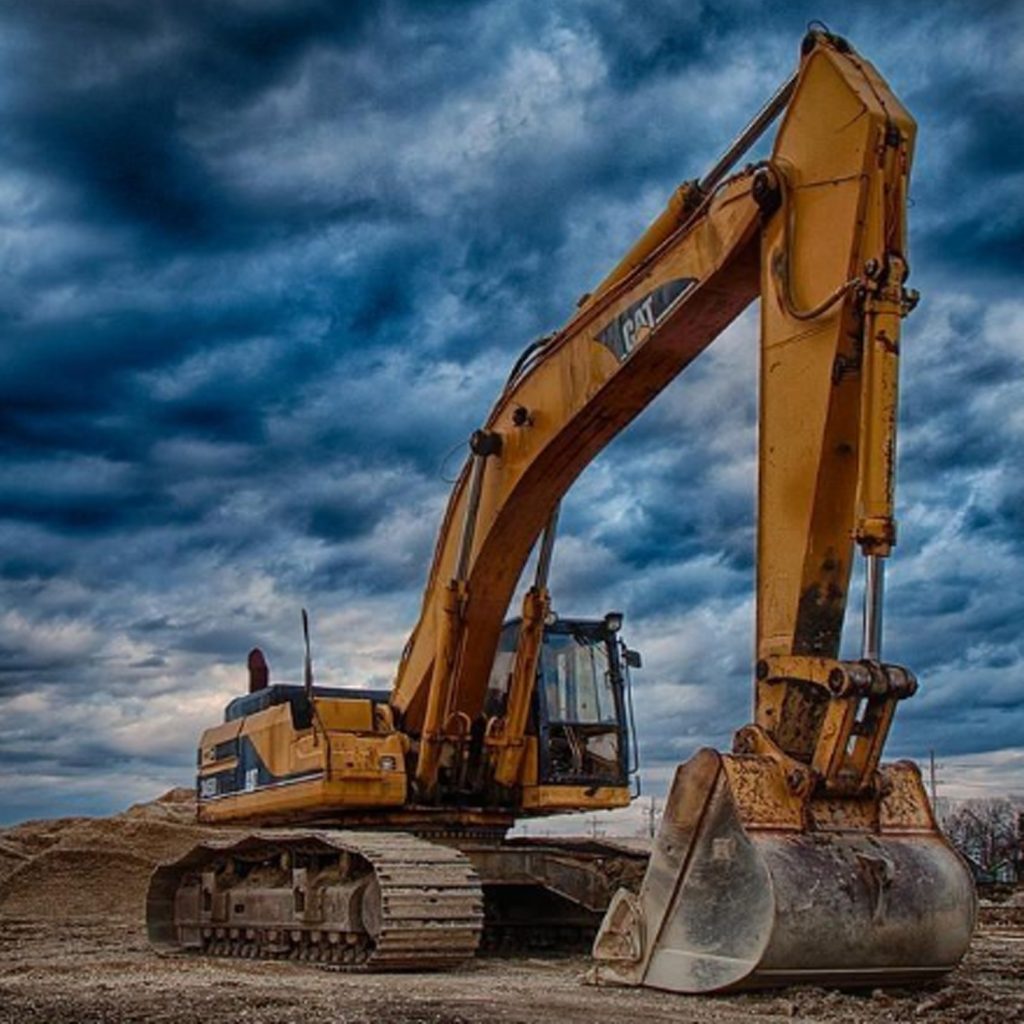
Excavator: Alat berat serbaguna dengan lengan panjang dan bucket yang kuat, digunakan untuk menggali tanah, memuat material ke truk, menghancurkan struktur, atau bahkan mengeruk lumpur dan sedimen. Ada berbagai jenis, seperti crawler excavator (roda rantai untuk medan sulit) dan wheeled excavator (roda ban untuk mobilitas di jalan).
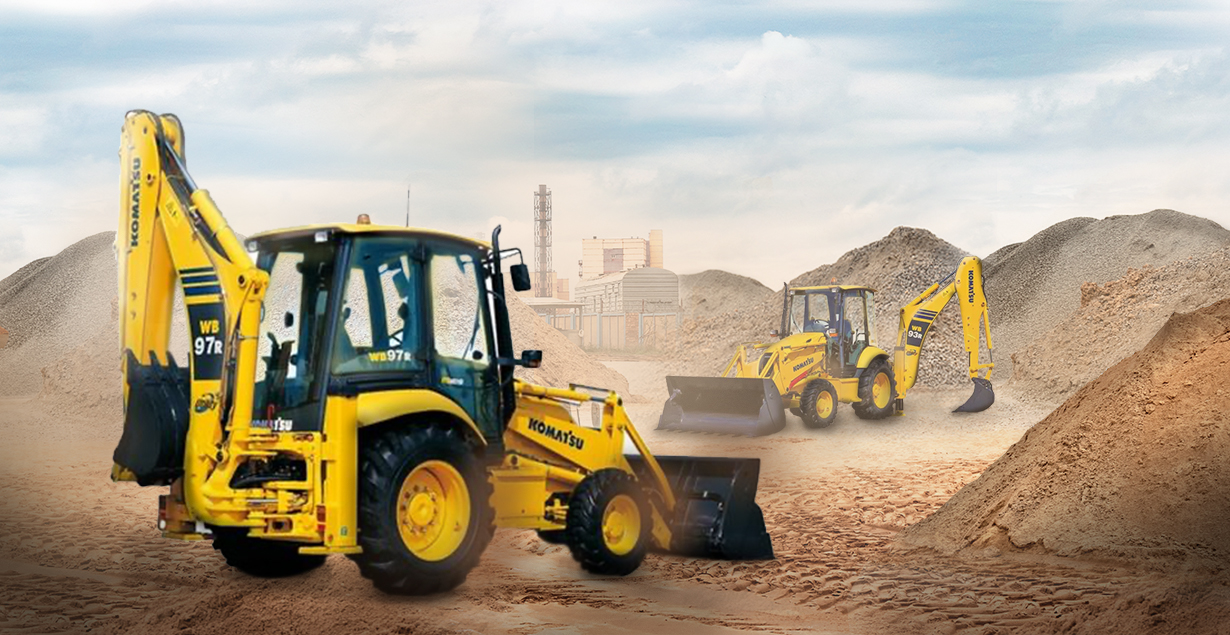
Backhoe Loader: Kombinasi antara excavator (di bagian belakang) dan loader (di bagian depan), membuatnya sangat multifungsi untuk pekerjaan penggalian, pemuatan, dan pemindahan material dalam skala kecil hingga menengah.
Bulldozer: Dilengkapi dengan blade besar di bagian depan untuk mendorong dan meratakan tanah, pasir, atau puing-puing. Cocok untuk land clearing, meratakan lahan, dan membuat parit. Jenis-jenisnya termasuk crawler bulldozer (roda rantai) dan wheel bulldozer (roda ban).
Trencher: Digunakan khusus untuk menggali parit atau saluran yang panjang dan sempit, seringkali untuk pemasangan pipa atau kabel.
Scraper: Berfungsi untuk menggali, memuat, mengangkut, dan menyebarkan material dalam jumlah besar, terutama untuk pekerjaan perataan tanah pada jarak yang lebih jauh.
2. Alat Pemuat dan Pengangkut (Loading and Hauling Equipment)
Loader Excavator at Construction site at sunset
Alat ini berfungsi untuk memuat material dan mengangkutnya dari satu lokasi ke lokasi lain.
Loader (Wheel Loader/Front Loader): Memiliki bucket besar di bagian depan untuk memuat material seperti pasir, kerikil, tanah, atau limbah ke dalam truk atau tumpukan. Wheel loader sangat mobile karena menggunakan ban karet.
Dump Truck: Truk khusus dengan bak terbuka di bagian belakang yang dapat diangkat (dumping) untuk mengosongkan material curah seperti tanah, pasir, batu, atau kerikil.
Articulated Hauler: Mirip dengan dump truck tetapi dirancang khusus untuk medan off-road yang berat dan sulit dijangkau oleh dump truck biasa.
3. Alat Pemadatan (Compacting Equipment)
Alat ini digunakan untuk memadatkan tanah, aspal, atau material lainnya agar menjadi lebih padat dan stabil.
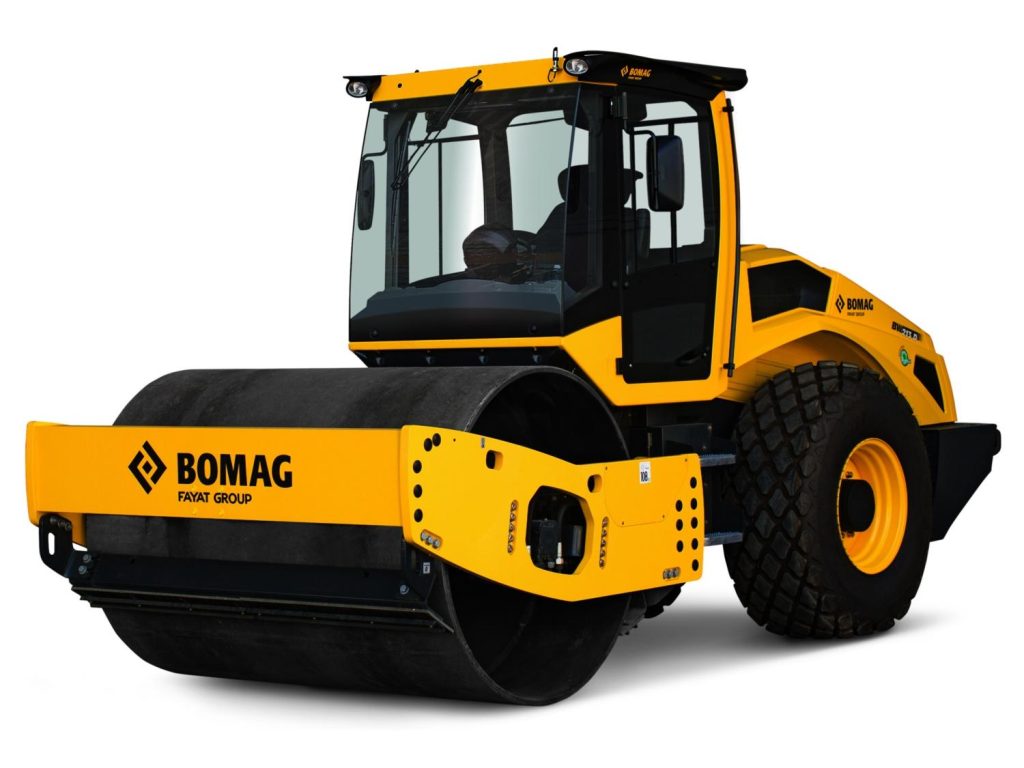
Compactor (Roller): Digunakan untuk memadatkan berbagai material. Ada beberapa jenis:
Smooth Drum Roller: Untuk memadatkan aspal atau tanah berbutir halus.
Padfoot/Sheepsfoot Roller: Memiliki “kaki” atau tonjolan pada drumnya, efektif untuk memadatkan tanah liat atau tanah kohesif.
Pneumatic Tired Roller: Menggunakan ban karet untuk memadatkan material dengan tekanan dan efek “kneading” (menguleni), cocok untuk aspal dan lapisan dasar.
Vibratory Plate Compactor: Biasanya lebih kecil, digunakan untuk memadatkan tanah dan material ringan di area yang lebih terbatas.
4. Alat Pengangkat dan Pemindahan Material (Lifting and Material Handling Equipment)
Alat ini digunakan untuk mengangkat dan memindahkan material berat ke ketinggian atau jarak tertentu.
Crane: Mesin pengangkat yang dilengkapi dengan tali kawat, rantai, dan sheaves (katrol) untuk mengangkat dan menurunkan material. Jenis-jenis crane meliputi:
Tower Crane: Digunakan untuk mengangkat material berat pada konstruksi bangunan tinggi.
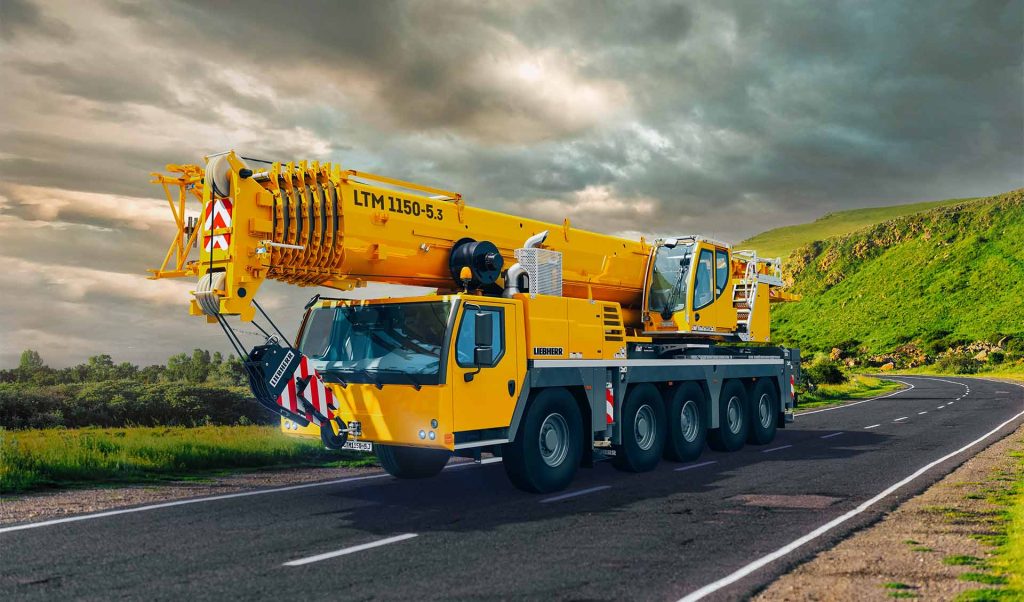
Mobile Crane (Truck Crane, All Terrain Crane, Rough Terrain Crane): Crane yang dapat bergerak dan dipindahkan ke lokasi proyek.
Crawler Crane: Crane yang menggunakan roda rantai, memberikan stabilitas yang baik untuk mengangkat beban sangat berat di medan kasar.
Forklift: Digunakan untuk mengangkat dan memindahkan material yang dikemas dalam palet atau beban lain dalam area gudang atau lokasi konstruksi yang lebih datar.
Telehandler (Telescopic Handler): Mirip dengan forklift tetapi memiliki lengan teleskopik yang dapat menjangkau lebih tinggi dan lebih jauh, cocok untuk mengangkat material di medan yang sulit.
Boom Lift/Aerial Work Platform: Digunakan untuk mengangkat pekerja ke ketinggian untuk melakukan pekerjaan di tempat tinggi, seperti pemasangan atau pemeliharaan.
5. Alat Perataan dan Penghamparan (Grading and Paving Equipment)
Alat ini digunakan untuk meratakan permukaan dan menghamparkan material seperti aspal.
Grader (Motor Grader): Dilengkapi dengan bilah panjang di bawah bodi, digunakan untuk meratakan dan menghaluskan permukaan tanah, membuat lereng, atau mencampur material. Ada berbagai jenis, seperti straight motor grader dan articulated motor grader.
Asphalt Paver (Asphalt Finisher): Digunakan untuk menghamparkan aspal panas secara merata di permukaan jalan dengan ketebalan yang konsisten.
6. Alat Khusus Lainnya
Beberapa alat berat memiliki fungsi yang sangat spesifik:
Pile Driver: Digunakan untuk menancapkan tiang pancang ke dalam tanah sebagai pondasi bangunan.
Dredger: Mesin pengeruk yang digunakan untuk mengeruk lumpur, pasir, atau material lain dari dasar air (sungai, danau, laut).
Cold Planer (Milling Machine): Digunakan dalam konstruksi jalan untuk mengupas atau menghilangkan lapisan aspal lama sebelum proses pengaspalan ulang.
Setiap jenis alat berat memiliki peran krusial dalam berbagai tahapan proyek, mulai dari persiapan lahan, penggalian, pengangkutan material, pemadatan, hingga penyelesaian akhir. Pemilihan alat berat yang tepat sangat bergantung pada jenis pekerjaan, kondisi medan, dan skala proyek.
14 Comments
For Japanese writing, a useful counter should show more than a single character total. Checking lines, paragraphs, manuscript-page equivalents, and byte length together helps writers adapt the same draft for forms, submissions, and different publishing systems. 文字数カウント is especially practical when those figures update immediately and the text remains in the browser, since users can review formatting details without adding another upload step.
A relation mark can look familiar while still carrying a different meaning in formal work. Before copying an approximately equal symbol into a worksheet, specification, or interface, it helps to check whether approximation is actually intended rather than equivalence, identity, or equality. Keeping the visual glyph and its implementation codes together also prevents inconsistencies when the same expression appears in prose, markup, and LaTeX.
Simple tools can make time-boxing easier to maintain because they do not add another workflow to manage. A ブラウザタイマー is convenient when a task begins unexpectedly: open it, choose a duration in hours, minutes, and seconds, and let the countdown define the boundary. Pause and resume controls matter for real-life interruptions, while reset makes repeated intervals straightforward. This approach keeps the focus on completing the current block instead of configuring a larger system.
Login errors are often described as one problem even though they can come from several places: an incorrect sign-in method, an expired session, a verification delay, or an unavailable service. A good explanation should help people identify the category first and preserve any useful error message. Resources about login issues are most effective when they list safe checks in order and explain when password resets or account recovery are actually appropriate.
A reference chart is most helpful when it becomes a prompt rather than a crutch. Choose a few characters at a time, hide the answers, and test whether the sound pattern can be recognized without counting dots and dashes. The morse code alphabet is also easier to retain when paired with short words instead of isolated symbols. After each practice round, note only the characters missed more than once; that keeps the next round focused and prevents the exercise from becoming repetitive.
Finding an unfamiliar tune should not depend entirely on knowing a lyric or spelling an artist’s name correctly. hum to search offers another route: use the musical fragment itself, whether it is hummed, sung, whistled, recorded, or uploaded. The most helpful habit is to try a recognizable phrase twice and compare the resulting candidates with the rhythm and melody that remain in memory.
A course page is most helpful when it answers the next practical question quickly: what topics are required, what material is available, and how should revision be prioritized? Centralized SRMIST study resources can support that process by making semester and subject information easier to browse. Adding simple tools for academic planning alongside learning material also helps students turn information into an actionable schedule.
Choosing printable coloring activities is easier when the collection accounts for both subject matter and paper format. A range of simple and detailed illustrations can serve children, teens, and adults without treating every coloring session as the same kind of activity. PDF files prepared for A4 and US Letter pages also help avoid unexpected cropping during printing. For an overview of options that include ready-to-print pages, coloring books, and an AI-generated starting point, https://coloringpages.tools/ provides a concise reference.
Binary conversion is easiest to follow when the representation is kept visible at every step: characters, their numeric codes, and the resulting eight-bit groups. This structure also helps prevent common mistakes such as dropping leading zeros or reading a continuous string without boundaries. A binary code translator can support that learning process by showing the conversion in both directions alongside an alphabet chart for quick verification.
The best assistance for a word puzzle is transparent: it should show how each clue changes the set of possible answers rather than simply supplying one. A wordle helper built around tile colors can turn an uncertain board into a manageable list, while a suggested next guess helps prioritize letter coverage and placement. It also reinforces a useful habit of separating confirmed information from letters that still need testing.
When comparing schedules, the important question is often the elapsed time between two points rather than the difference between their displayed hour numbers. This becomes more important when a period includes a break or continues past midnight. Treating each interval as its own calculation before building a total helps prevent a short formatting mistake from becoming a larger discrepancy in a weekly record.
Really enjoyed your writing style, very engaging.
What clicked for me was Harco Glodok Lt 1 Blok F No 26, Kota Jakarta Barat, Daerah Khusus Ibukota Jakarta 11720 08 — more useful than the headline alone. Off-topic but worth a bookmark: everygenai.live, a AI video/image effects tool.
Planning around daylight is easier when the information is organized by city, date, and local time zone rather than treated as a single national schedule. Sunset Today brings sunrise and sunset times together with daylight length and monthly calendars, which can help people compare seasonal changes or choose a suitable time for an evening plan. Clear local context matters because the same calendar date can look quite different across cities.



For Japanese writing, a useful counter should show more than a single character total. Checking lines, paragraphs, manuscript-page equivalents, and byte length together helps writers adapt the same draft for forms, submissions, and different publishing systems. 文字数カウント is especially practical when those figures update immediately and the text remains in the browser, since users can review formatting details without adding another upload step.
A relation mark can look familiar while still carrying a different meaning in formal work. Before copying an approximately equal symbol into a worksheet, specification, or interface, it helps to check whether approximation is actually intended rather than equivalence, identity, or equality. Keeping the visual glyph and its implementation codes together also prevents inconsistencies when the same expression appears in prose, markup, and LaTeX.
Simple tools can make time-boxing easier to maintain because they do not add another workflow to manage. A ブラウザタイマー is convenient when a task begins unexpectedly: open it, choose a duration in hours, minutes, and seconds, and let the countdown define the boundary. Pause and resume controls matter for real-life interruptions, while reset makes repeated intervals straightforward. This approach keeps the focus on completing the current block instead of configuring a larger system.
Login errors are often described as one problem even though they can come from several places: an incorrect sign-in method, an expired session, a verification delay, or an unavailable service. A good explanation should help people identify the category first and preserve any useful error message. Resources about login issues are most effective when they list safe checks in order and explain when password resets or account recovery are actually appropriate.
A reference chart is most helpful when it becomes a prompt rather than a crutch. Choose a few characters at a time, hide the answers, and test whether the sound pattern can be recognized without counting dots and dashes. The morse code alphabet is also easier to retain when paired with short words instead of isolated symbols. After each practice round, note only the characters missed more than once; that keeps the next round focused and prevents the exercise from becoming repetitive.
Finding an unfamiliar tune should not depend entirely on knowing a lyric or spelling an artist’s name correctly. hum to search offers another route: use the musical fragment itself, whether it is hummed, sung, whistled, recorded, or uploaded. The most helpful habit is to try a recognizable phrase twice and compare the resulting candidates with the rhythm and melody that remain in memory.
A course page is most helpful when it answers the next practical question quickly: what topics are required, what material is available, and how should revision be prioritized? Centralized SRMIST study resources can support that process by making semester and subject information easier to browse. Adding simple tools for academic planning alongside learning material also helps students turn information into an actionable schedule.
Choosing printable coloring activities is easier when the collection accounts for both subject matter and paper format. A range of simple and detailed illustrations can serve children, teens, and adults without treating every coloring session as the same kind of activity. PDF files prepared for A4 and US Letter pages also help avoid unexpected cropping during printing. For an overview of options that include ready-to-print pages, coloring books, and an AI-generated starting point, https://coloringpages.tools/ provides a concise reference.
Binary conversion is easiest to follow when the representation is kept visible at every step: characters, their numeric codes, and the resulting eight-bit groups. This structure also helps prevent common mistakes such as dropping leading zeros or reading a continuous string without boundaries. A binary code translator can support that learning process by showing the conversion in both directions alongside an alphabet chart for quick verification.
The best assistance for a word puzzle is transparent: it should show how each clue changes the set of possible answers rather than simply supplying one. A wordle helper built around tile colors can turn an uncertain board into a manageable list, while a suggested next guess helps prioritize letter coverage and placement. It also reinforces a useful habit of separating confirmed information from letters that still need testing.
When comparing schedules, the important question is often the elapsed time between two points rather than the difference between their displayed hour numbers. This becomes more important when a period includes a break or continues past midnight. Treating each interval as its own calculation before building a total helps prevent a short formatting mistake from becoming a larger discrepancy in a weekly record.
Really enjoyed your writing style, very engaging.
What clicked for me was Harco Glodok Lt 1 Blok F No 26, Kota Jakarta Barat, Daerah Khusus Ibukota Jakarta 11720 08 — more useful than the headline alone. Off-topic but worth a bookmark: everygenai.live, a AI video/image effects tool.
Planning around daylight is easier when the information is organized by city, date, and local time zone rather than treated as a single national schedule. Sunset Today brings sunrise and sunset times together with daylight length and monthly calendars, which can help people compare seasonal changes or choose a suitable time for an evening plan. Clear local context matters because the same calendar date can look quite different across cities.